SPACES
The 826 New Orleans Youth Writing Center
A space of possibility for young writers.
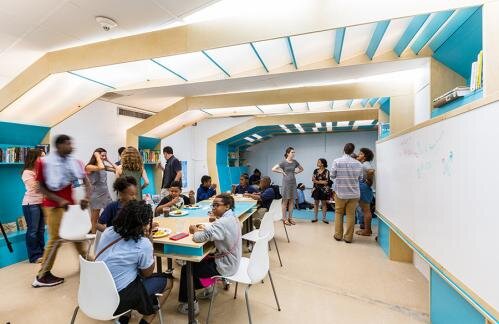
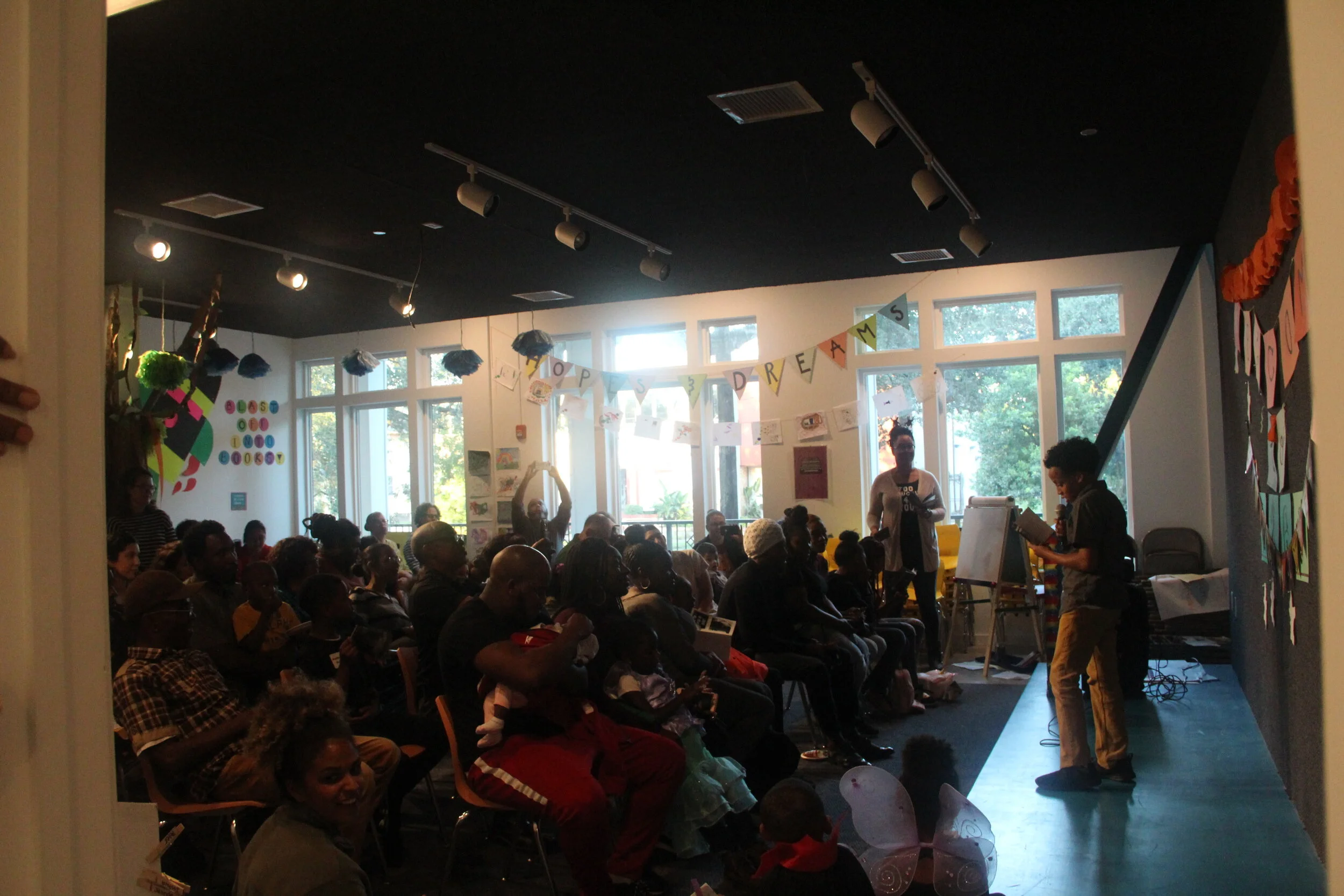
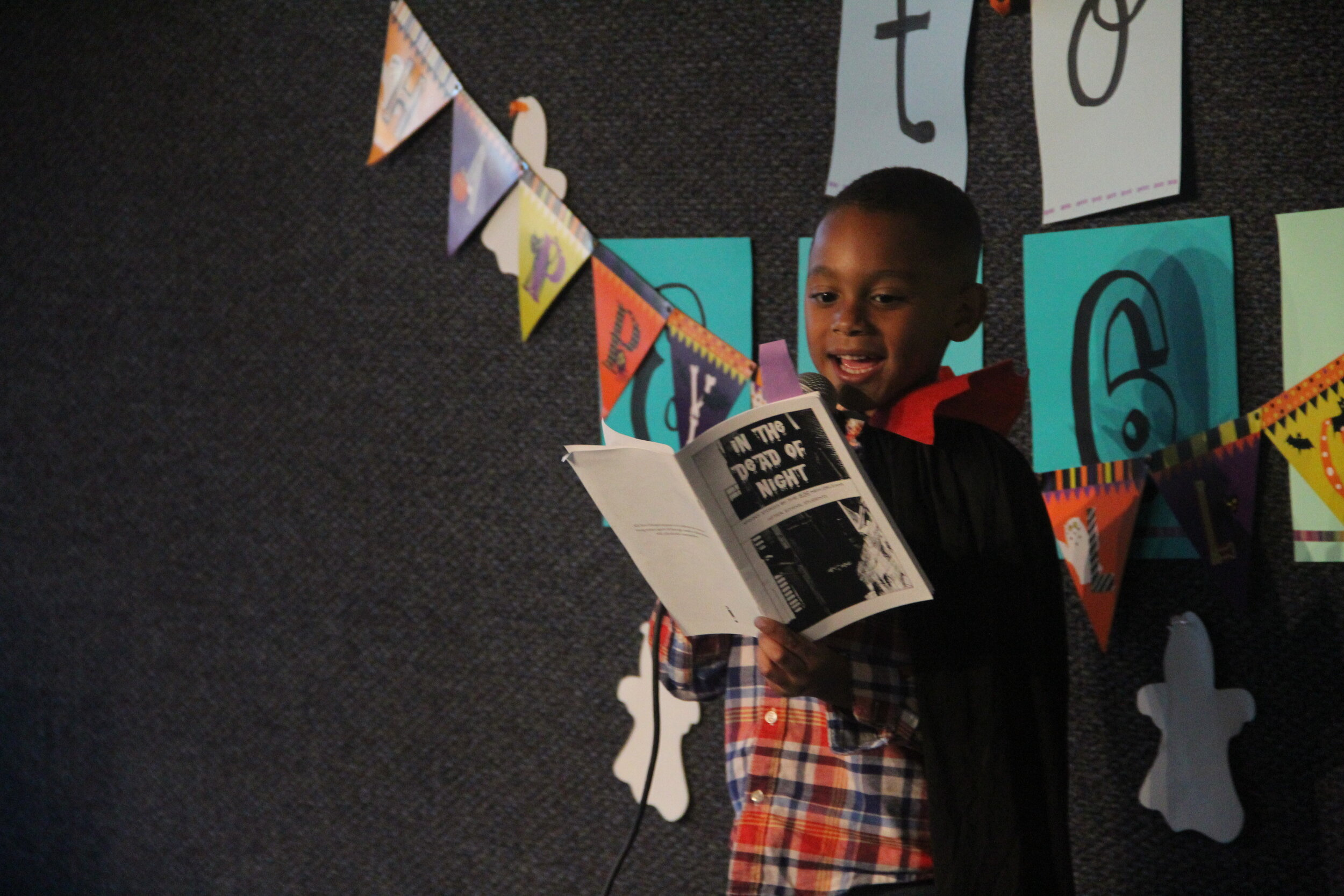
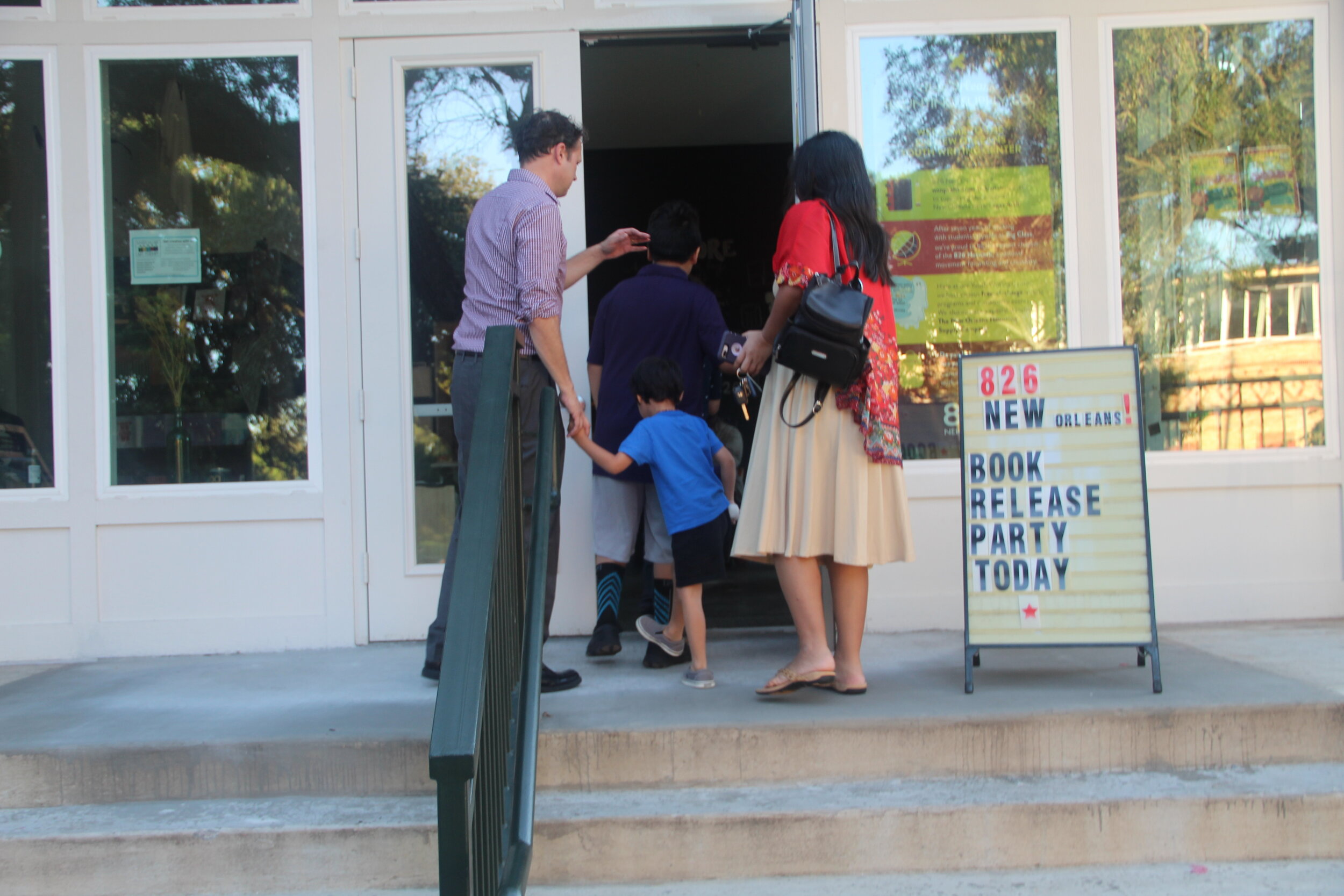
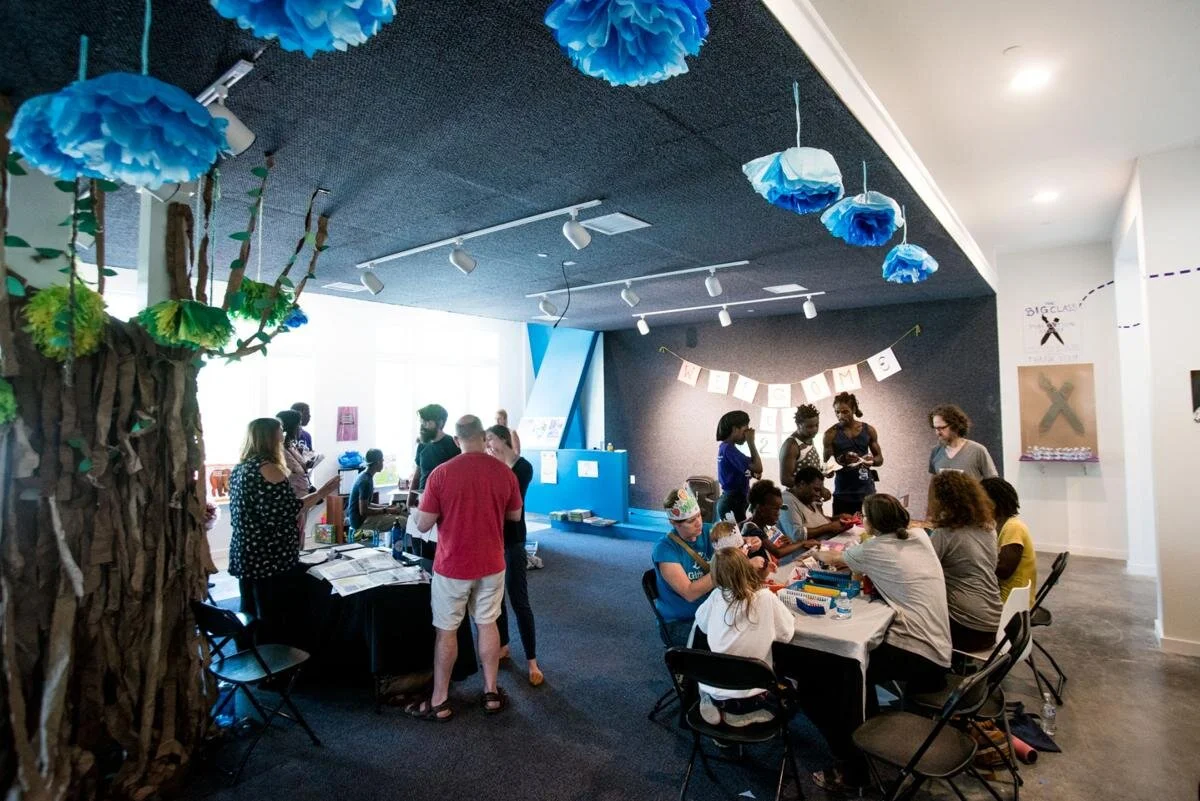
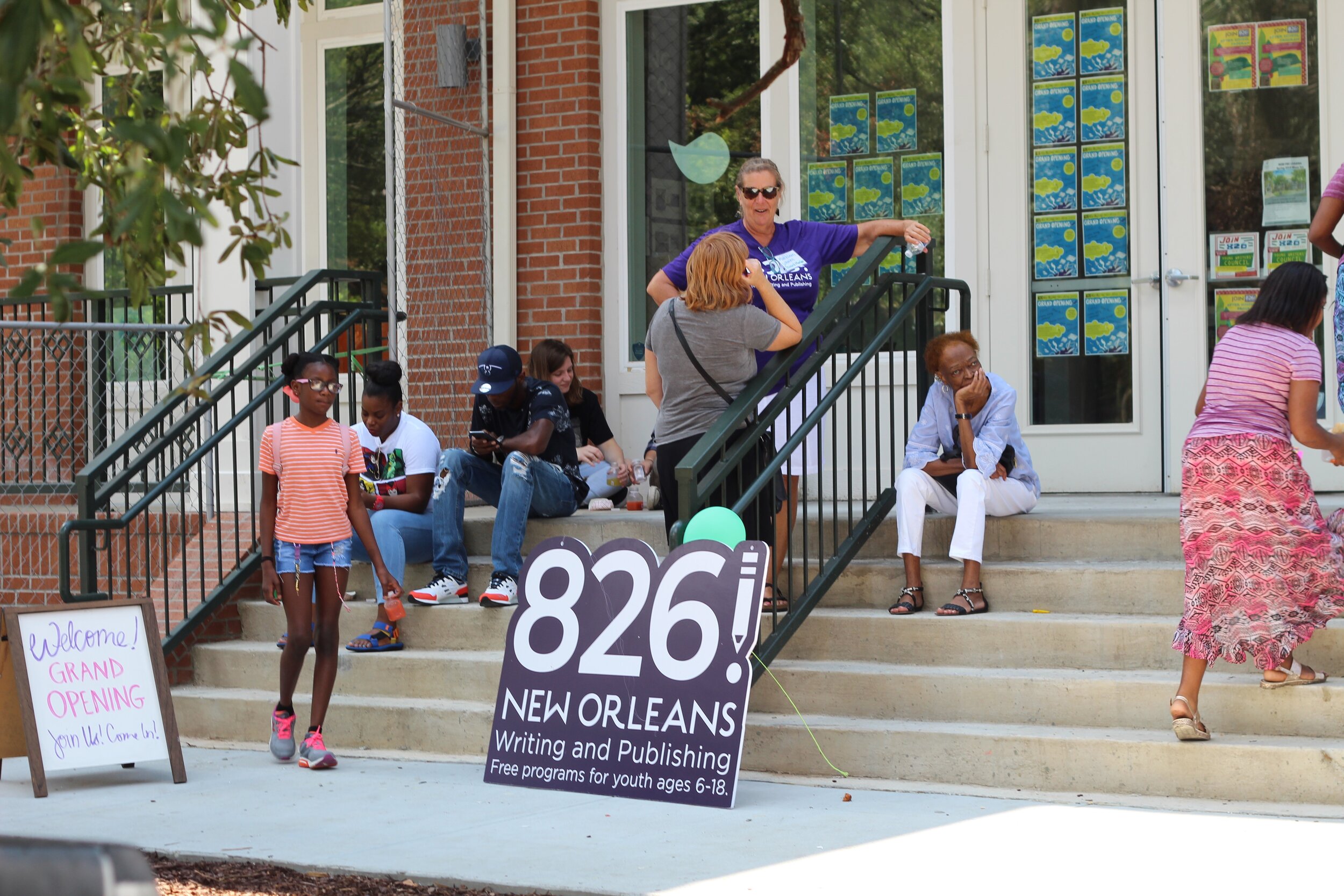
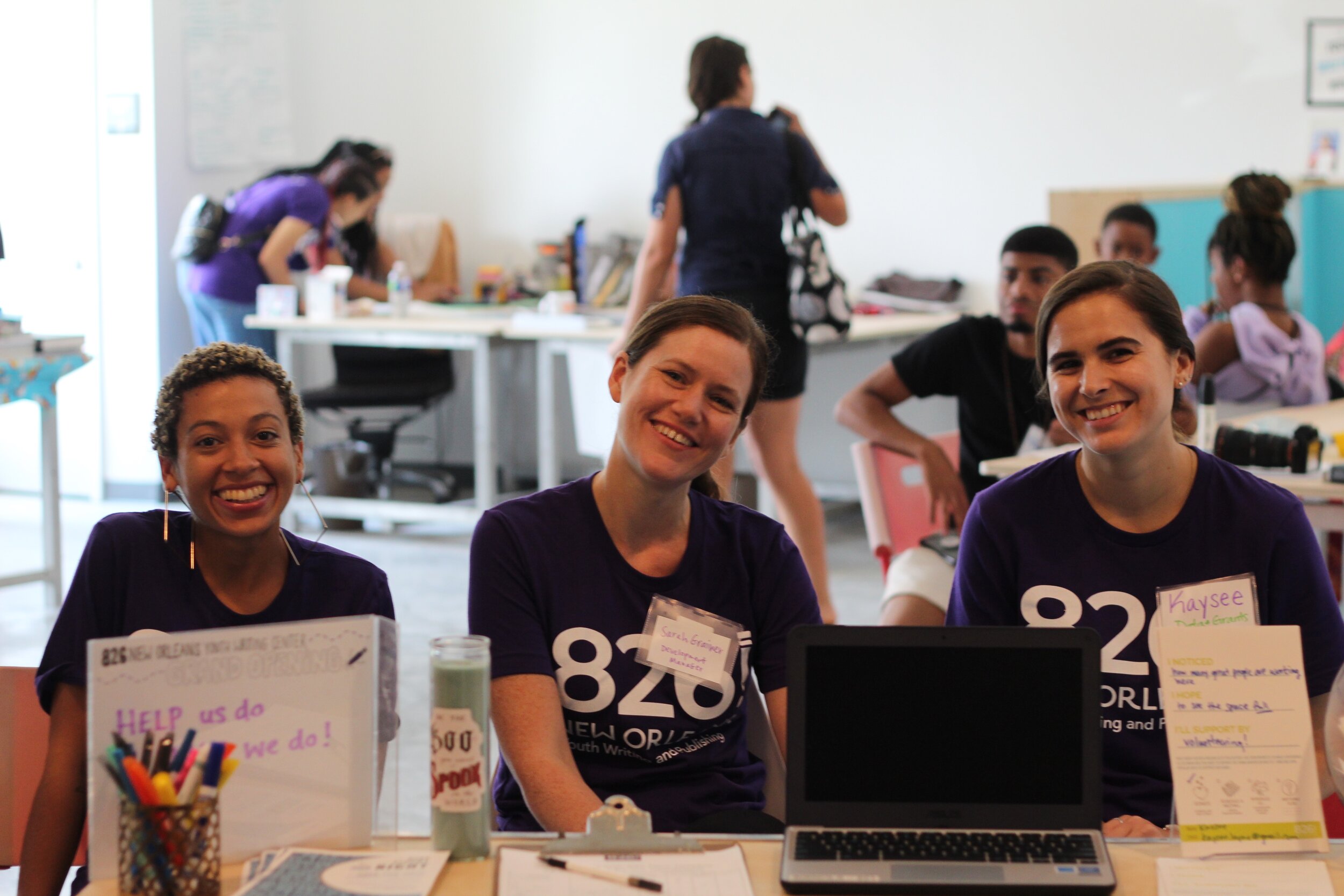
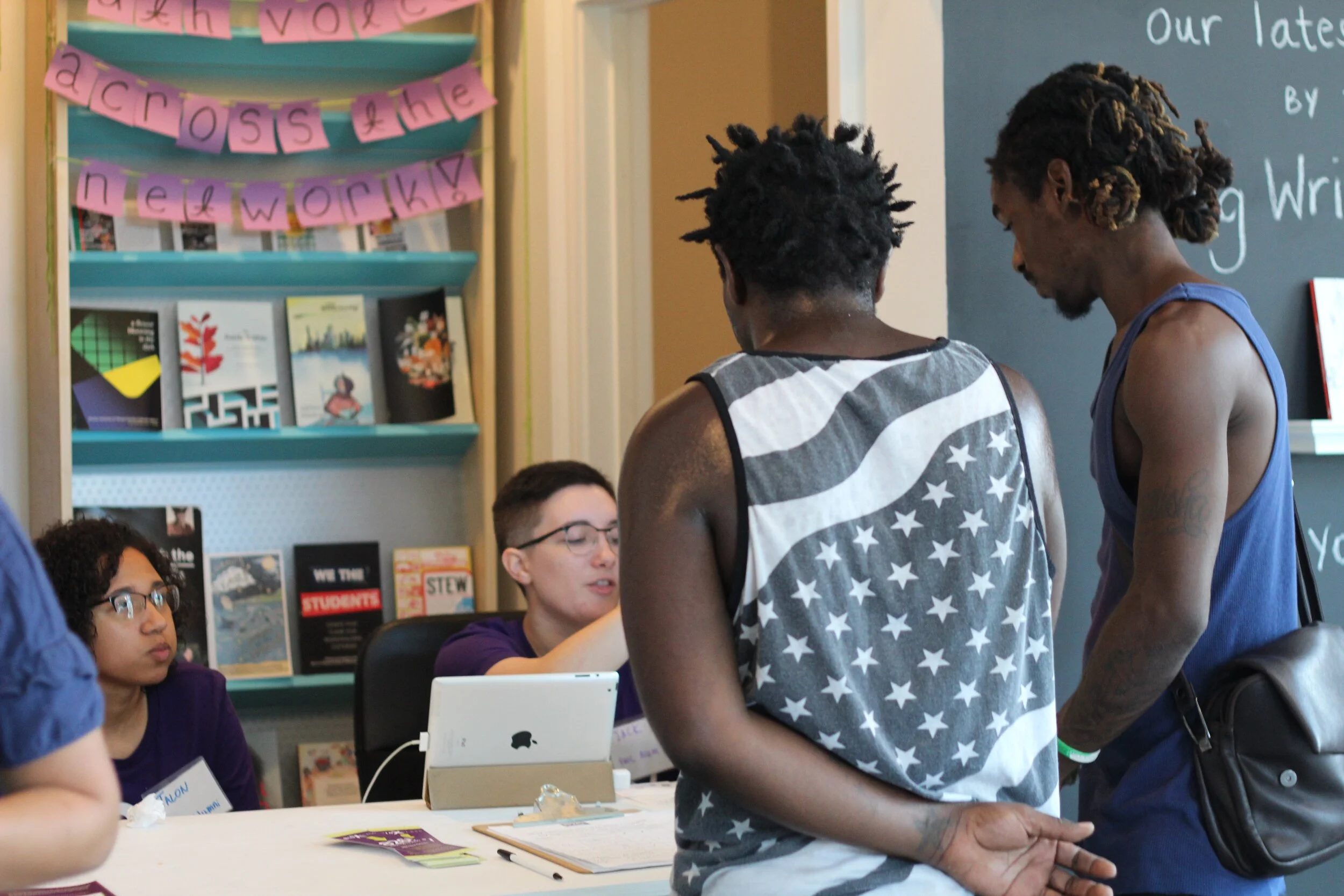
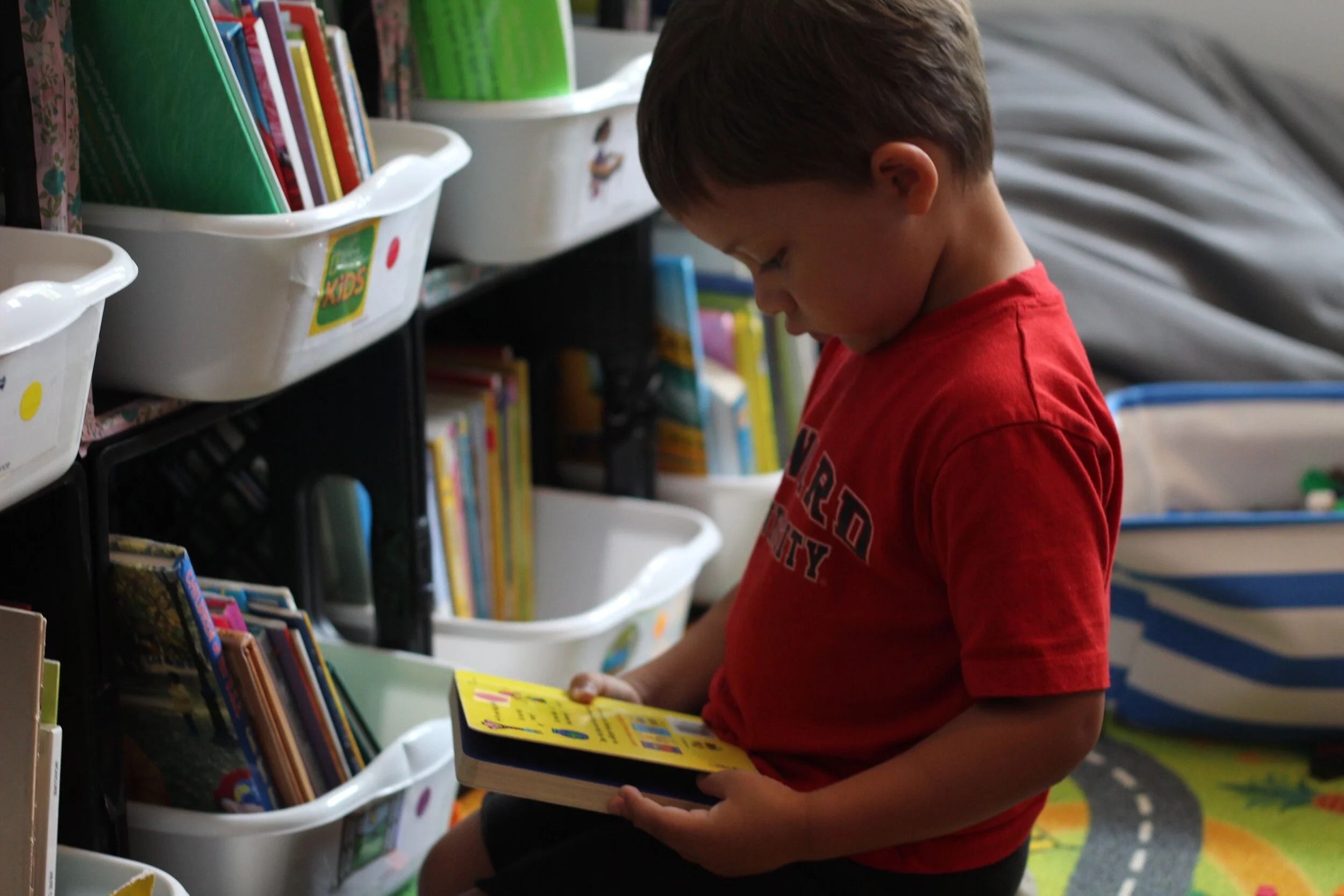
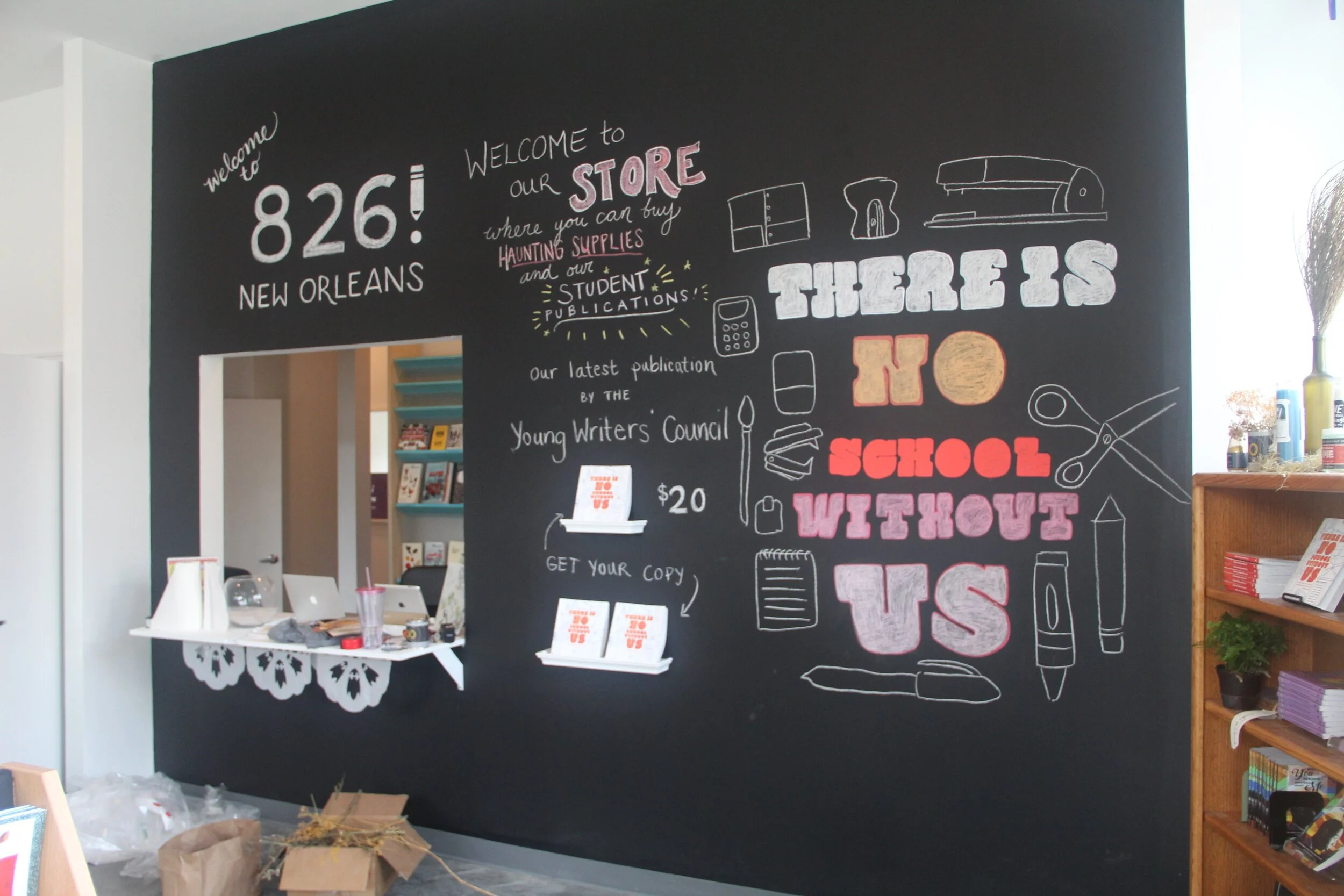
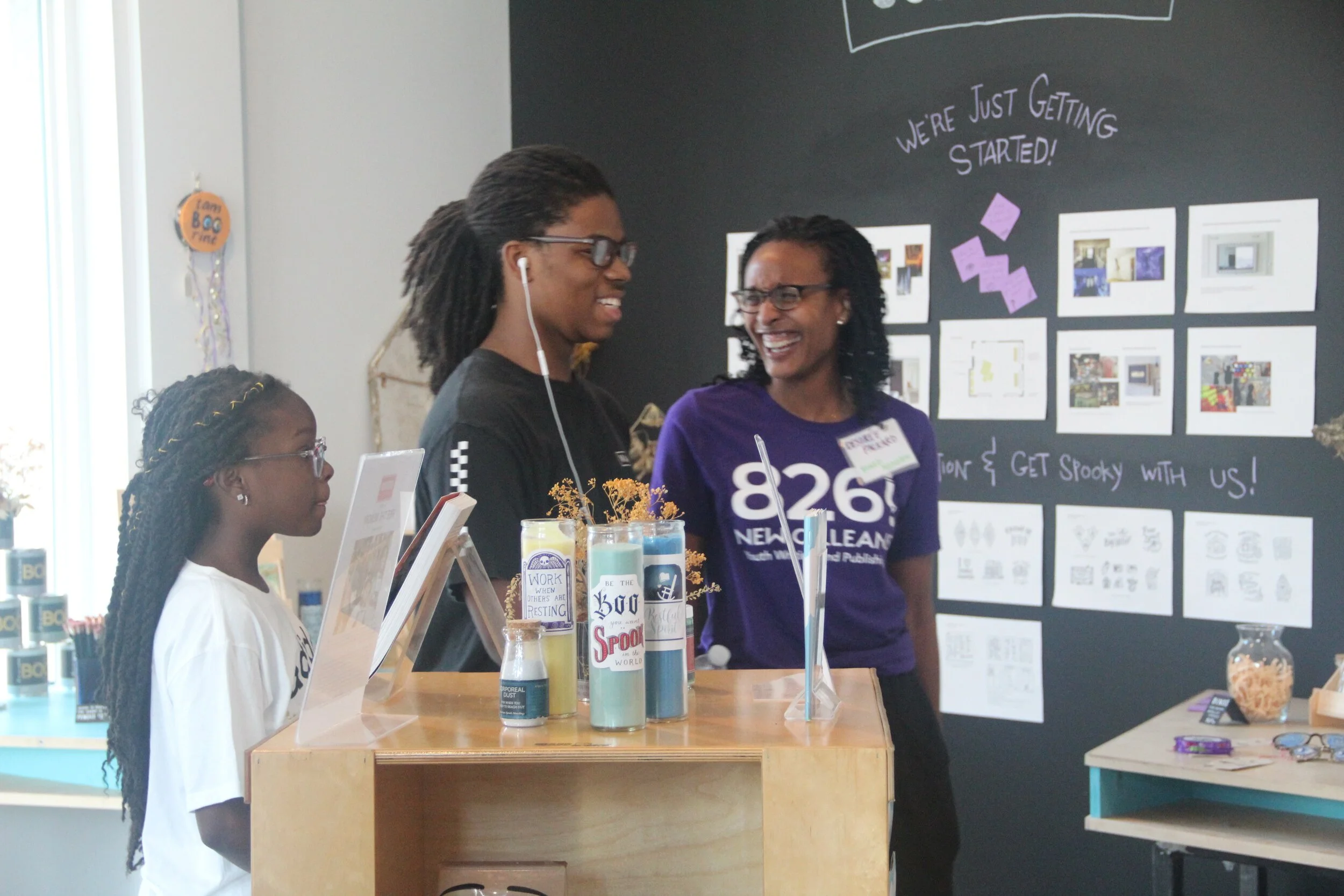
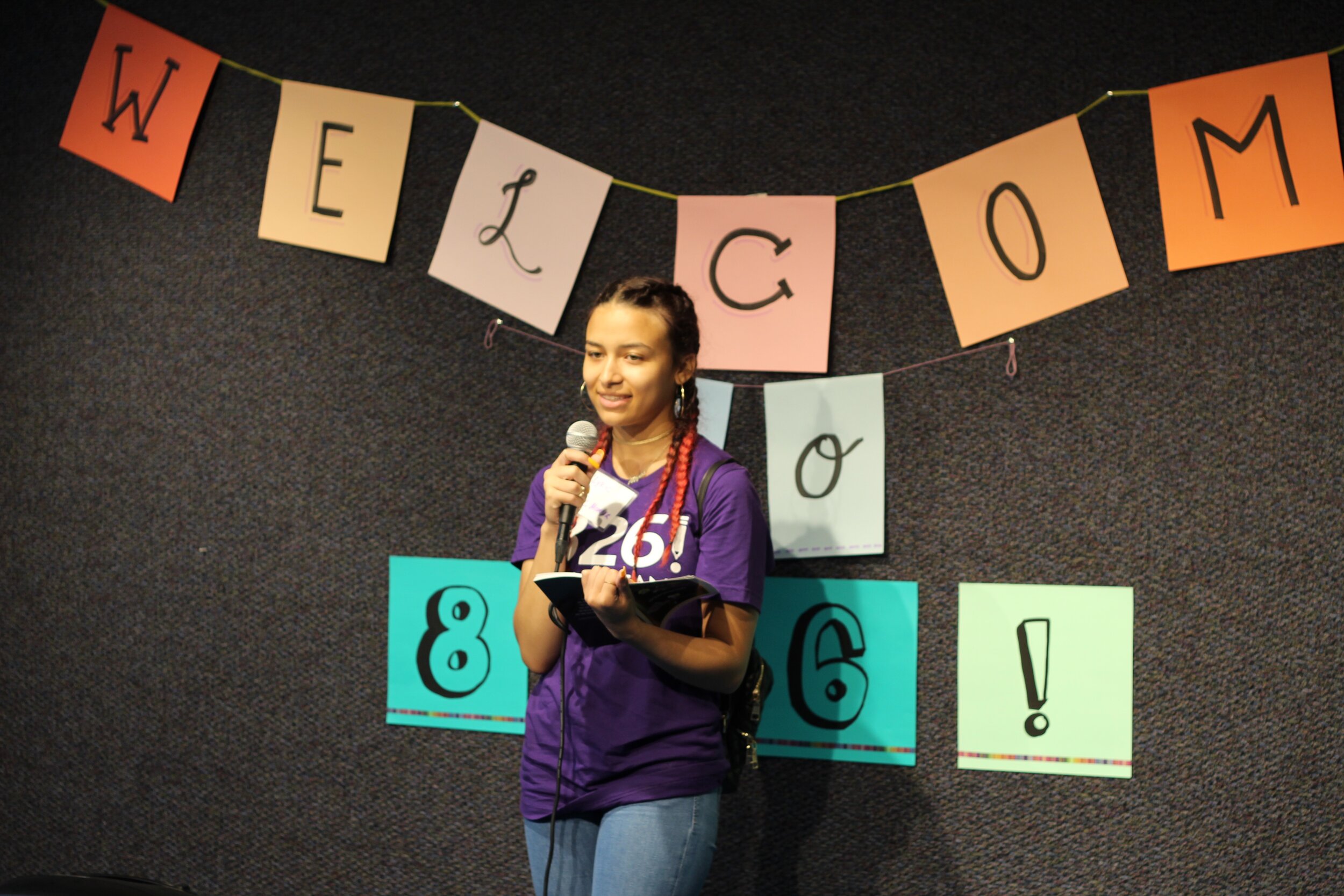
Tasting notes: environmental design and development, cross-sector collaboration, project management, fundraising, if you build it they will comeThe 826 New Orleans Youth Writing Center is is 4400 square feet at the corner of St. Bernard Ave. and North Roman St., in the 7th Ward, one of the most diverse historical areas in the country. It is a “third space,” separate from school and home, where youth have ownership and can develop supportive relationships with talented adults and with each other. It features a large main classroom with a stage for readings, a digital classroom for podcasting and video-making, staff work space, a publishing studio, and more.
Envisioned from the early days of our organization, I led and coordinated our organizational team and outside designers, contractors, and a private-public housing partnership to envision, fund, design, and build this space.
It’s LIT
Mobile words, on ice.
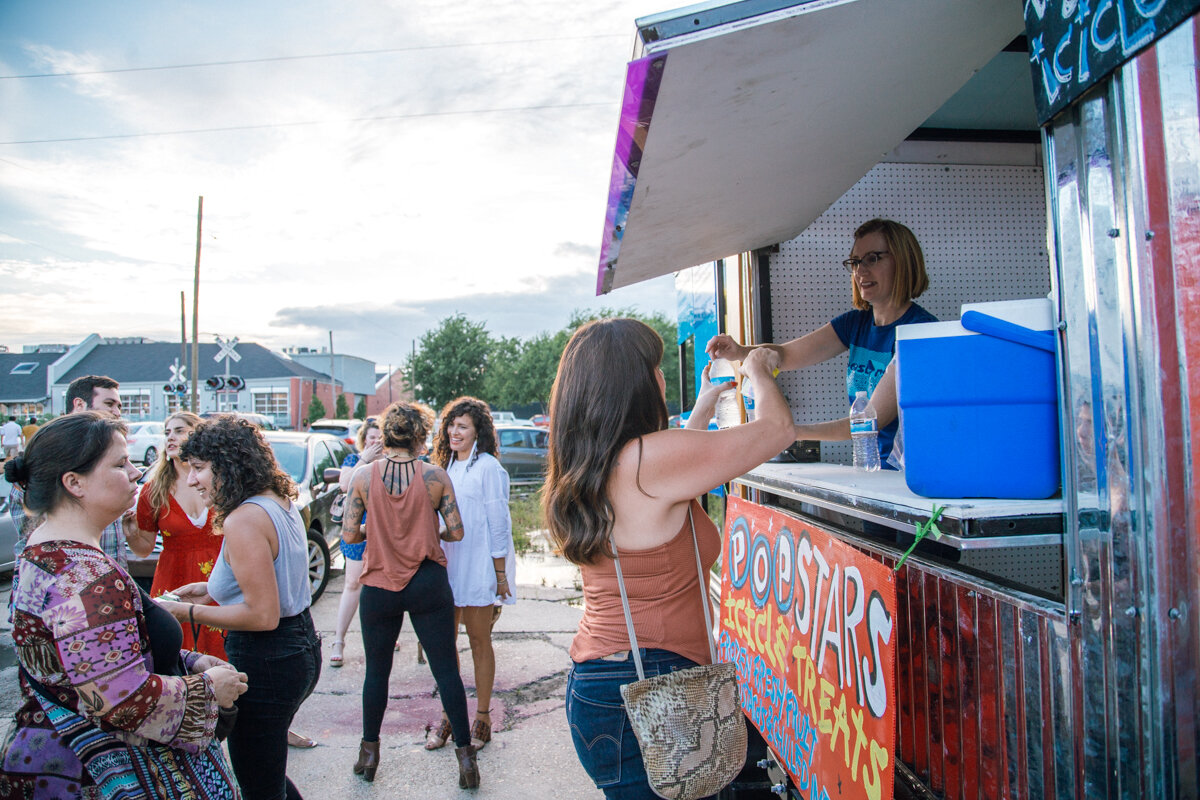
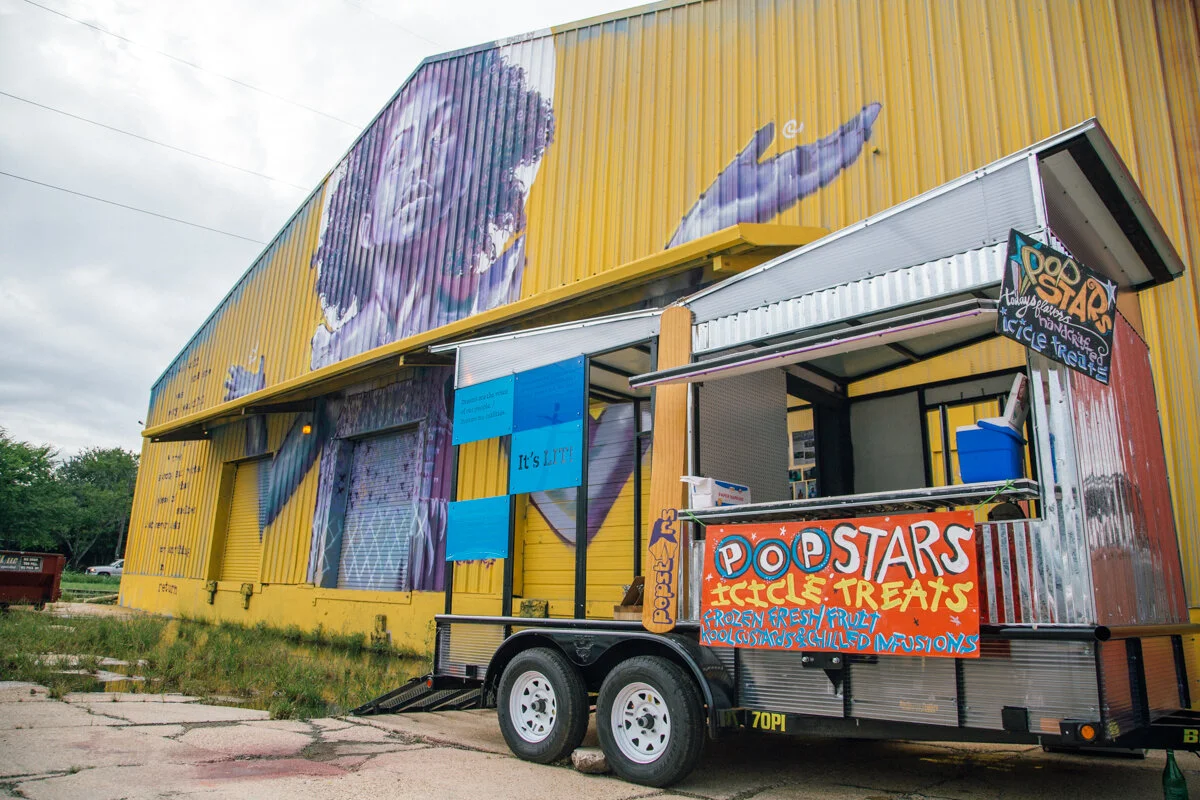
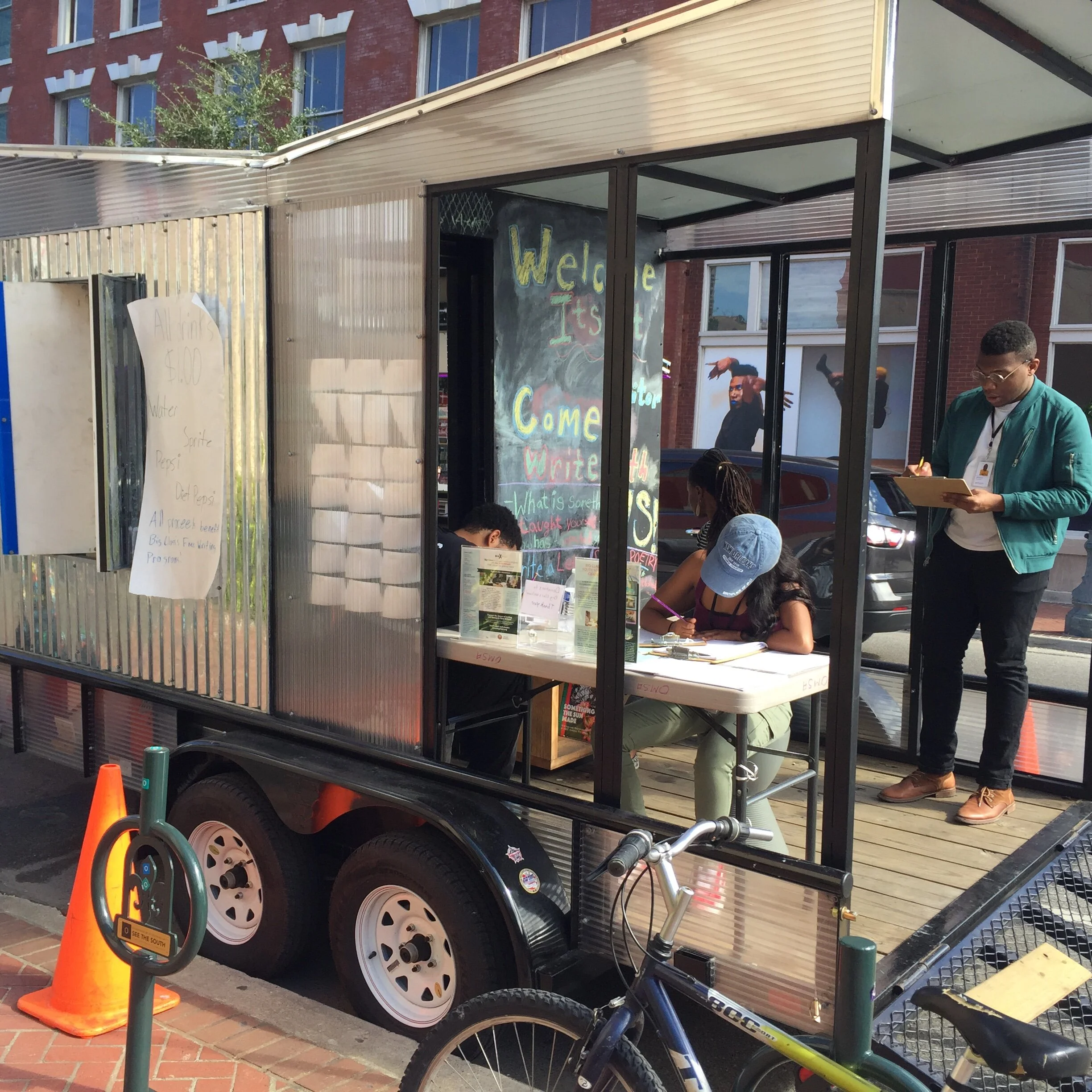
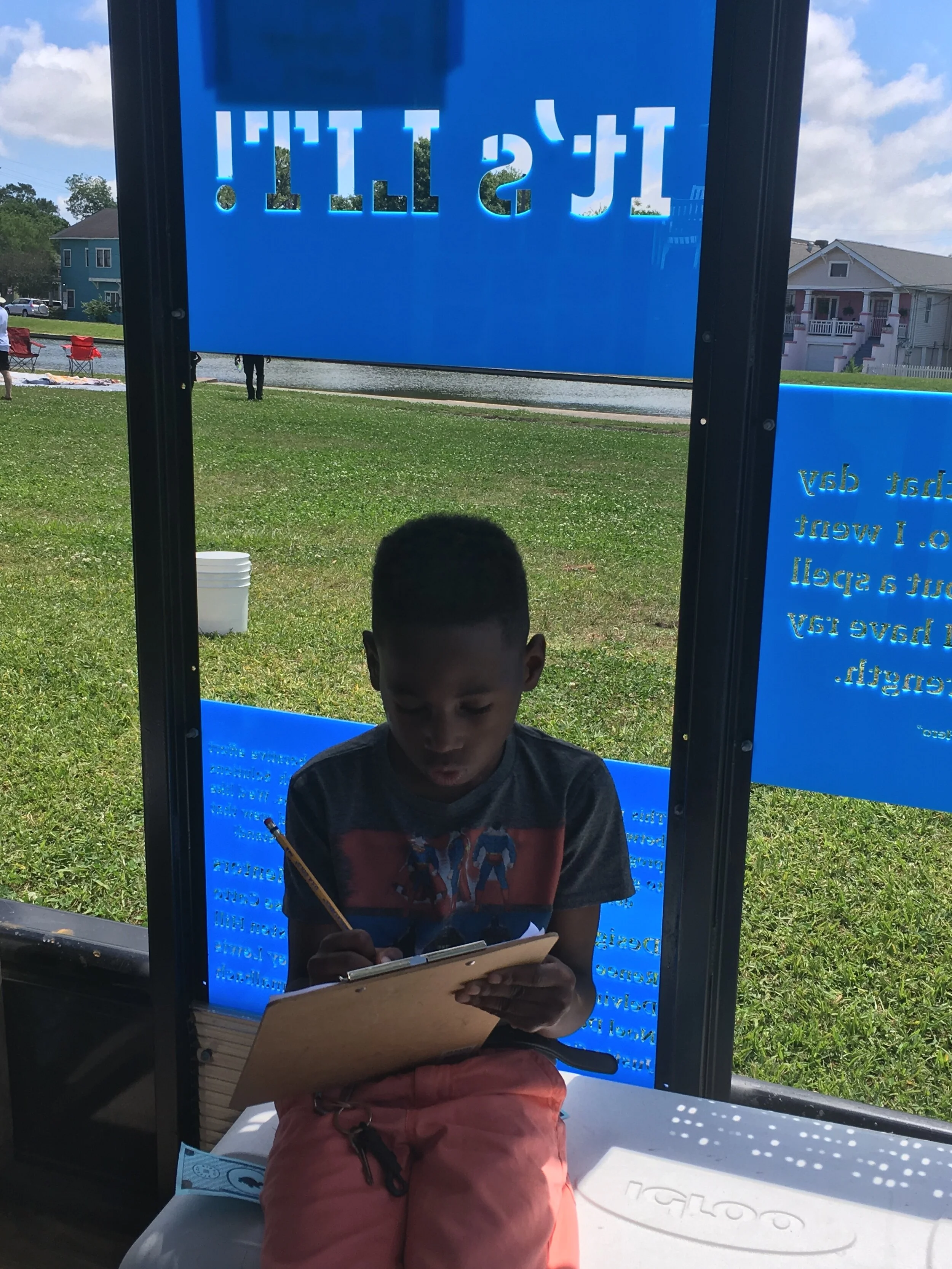
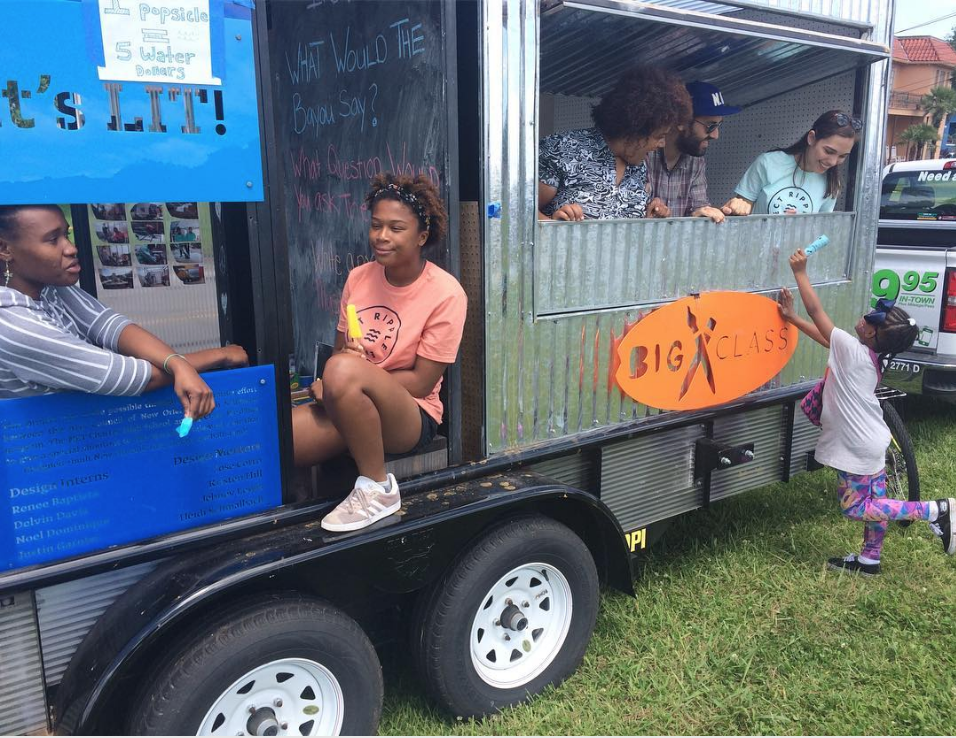
Tasting notes: community-based design, food trucks, partnership, popsiclesIn 2016, Big Class’s Youth Advisory Council suggested getting out into hard-to-reach communities around New Orleans, bringing free writing programs directly to students. I suggested we riff on the sno-ball truck. They named it “It’s LIT.”
We forged a partnership with the New Orleans Arts Council to have young people design and build it through guidance from me and our Youth Advisory Council, coordinated local purveyors like Popstars to offer frozen treats, and coordinated with local agencies and events for public engagements. You can find It’s LIT around New Orleans, a space on wheels where the community can snack in the front, and youth can write in the back.
The Reading Room 220 at Antenna Gallery
New Orleans’s literary hub for all ages.
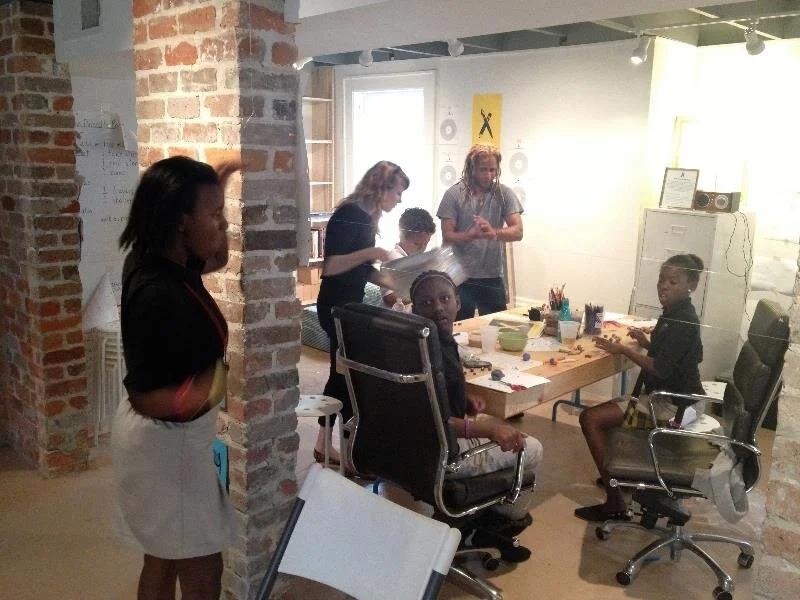
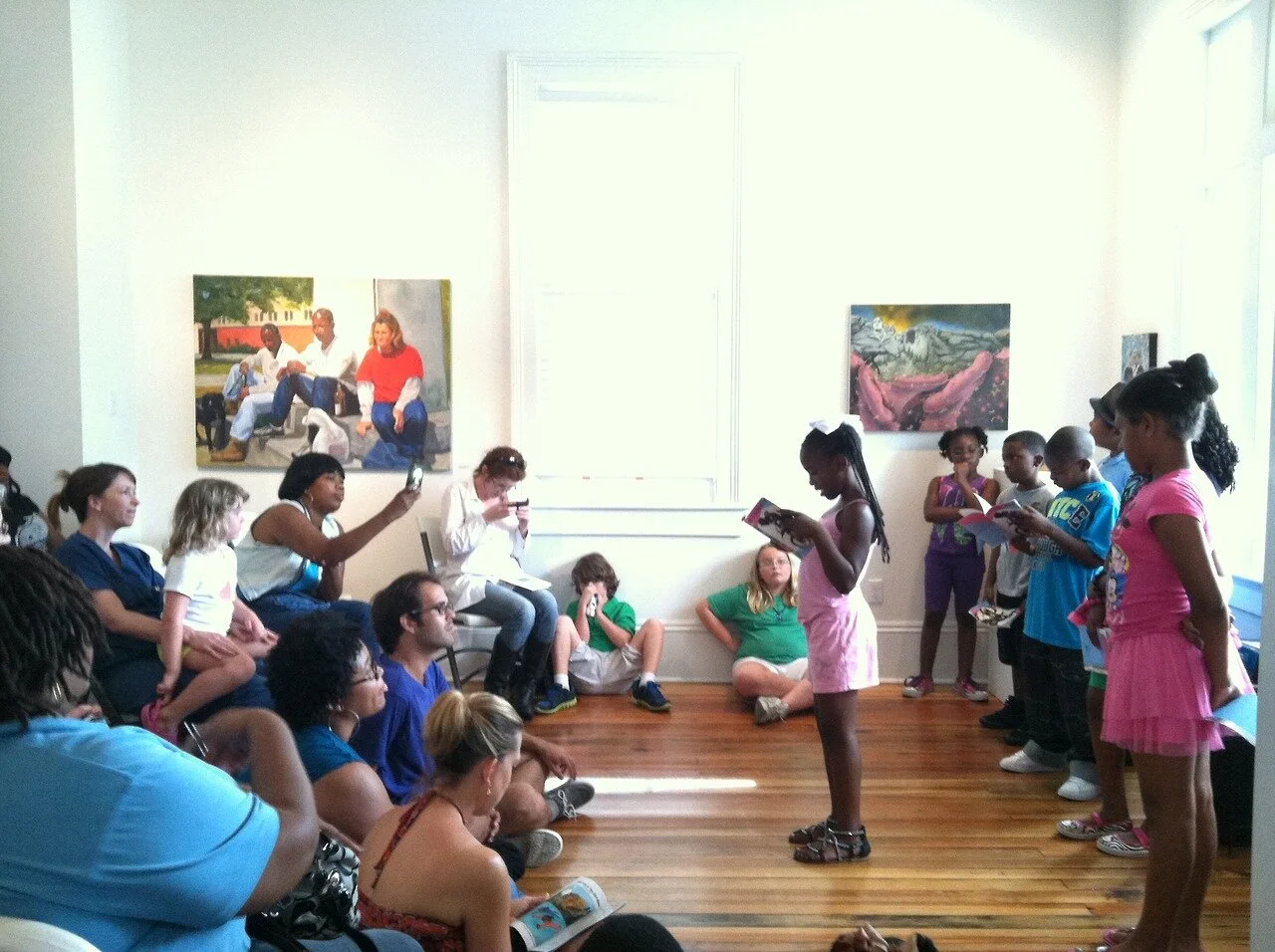
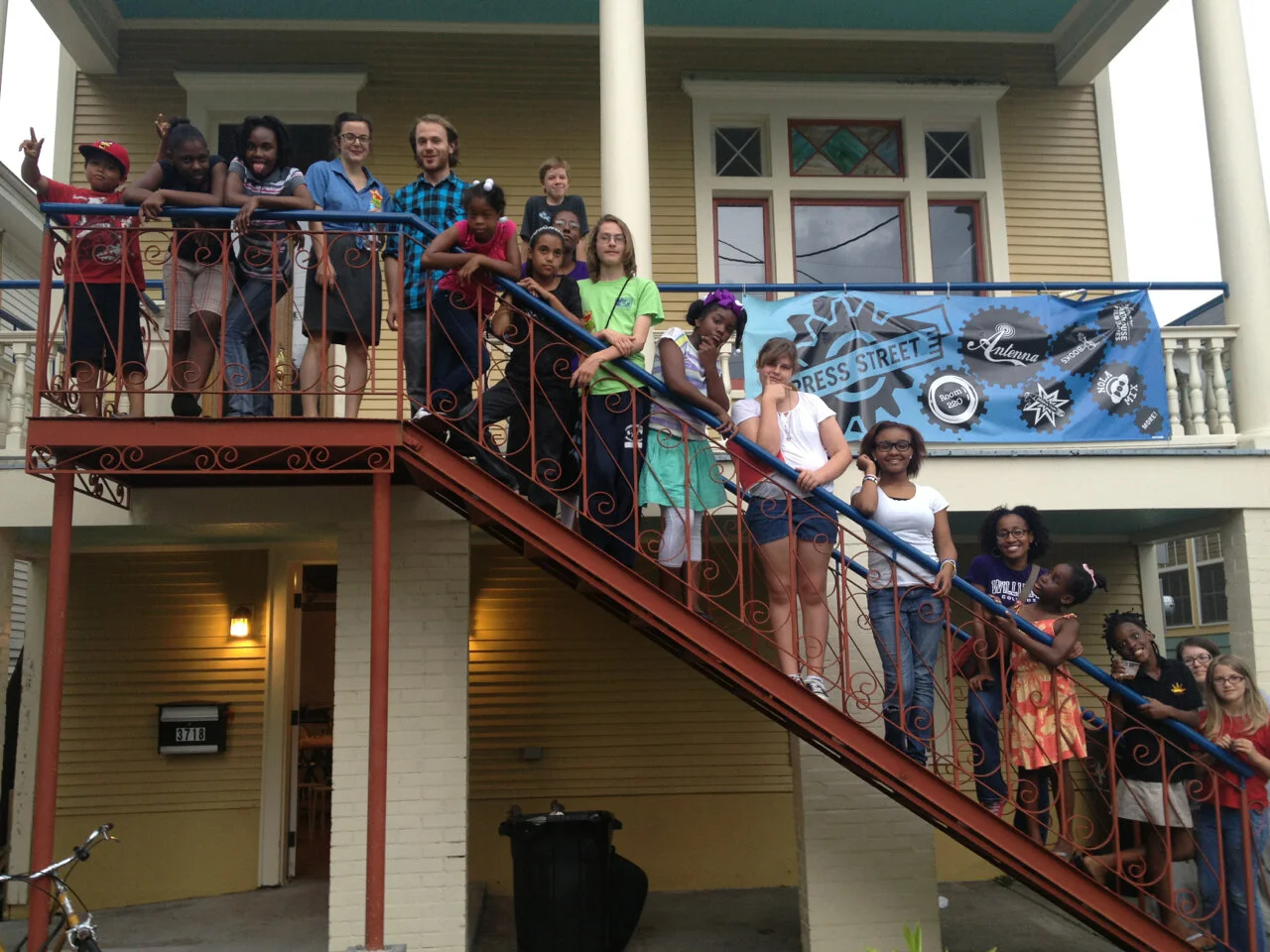
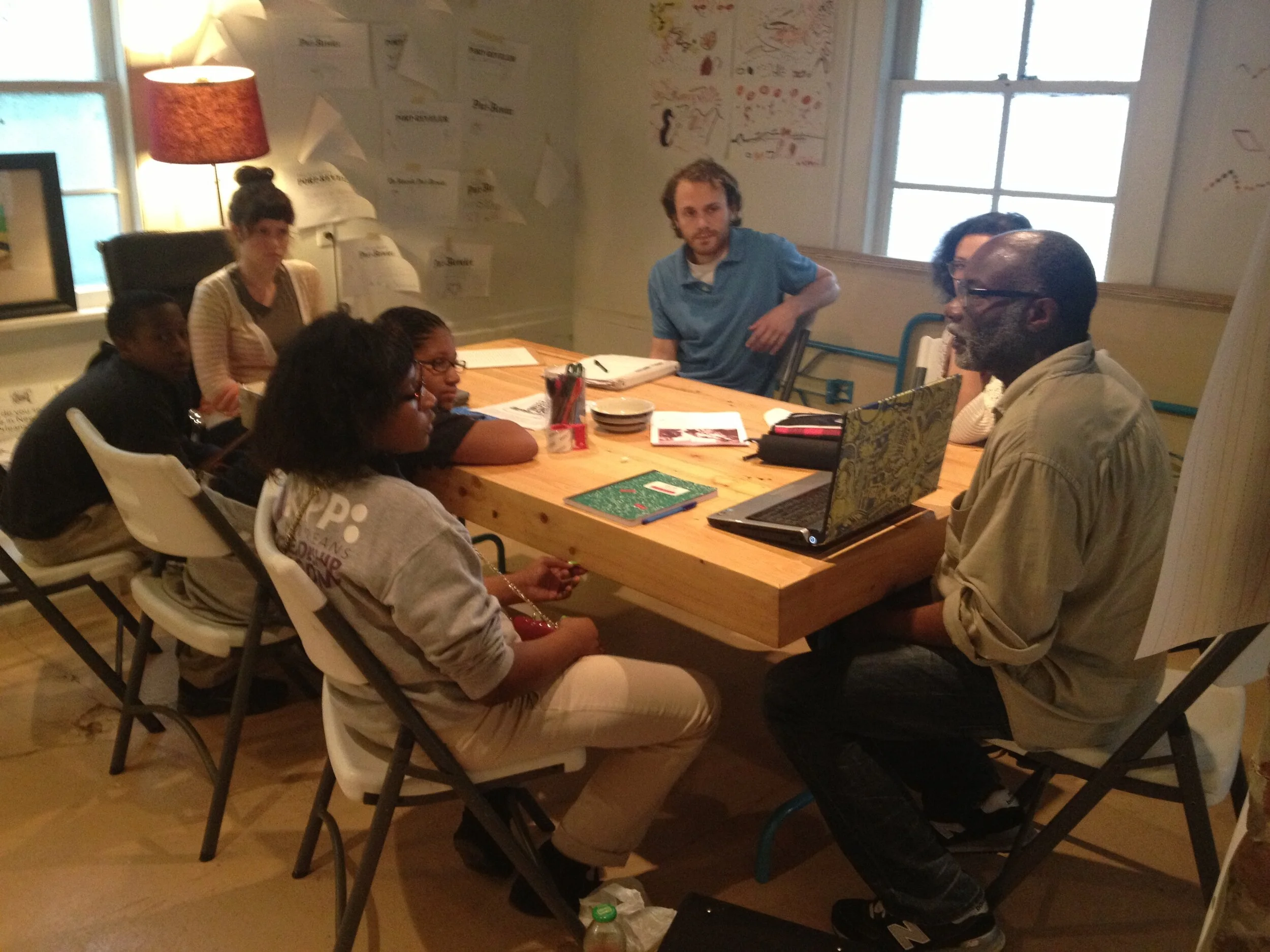
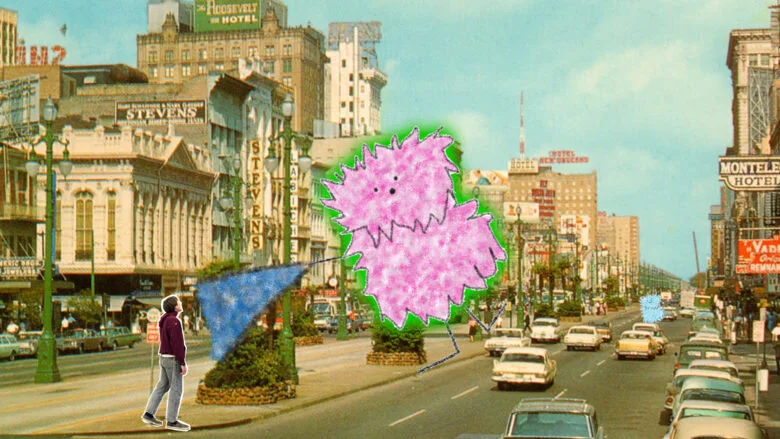
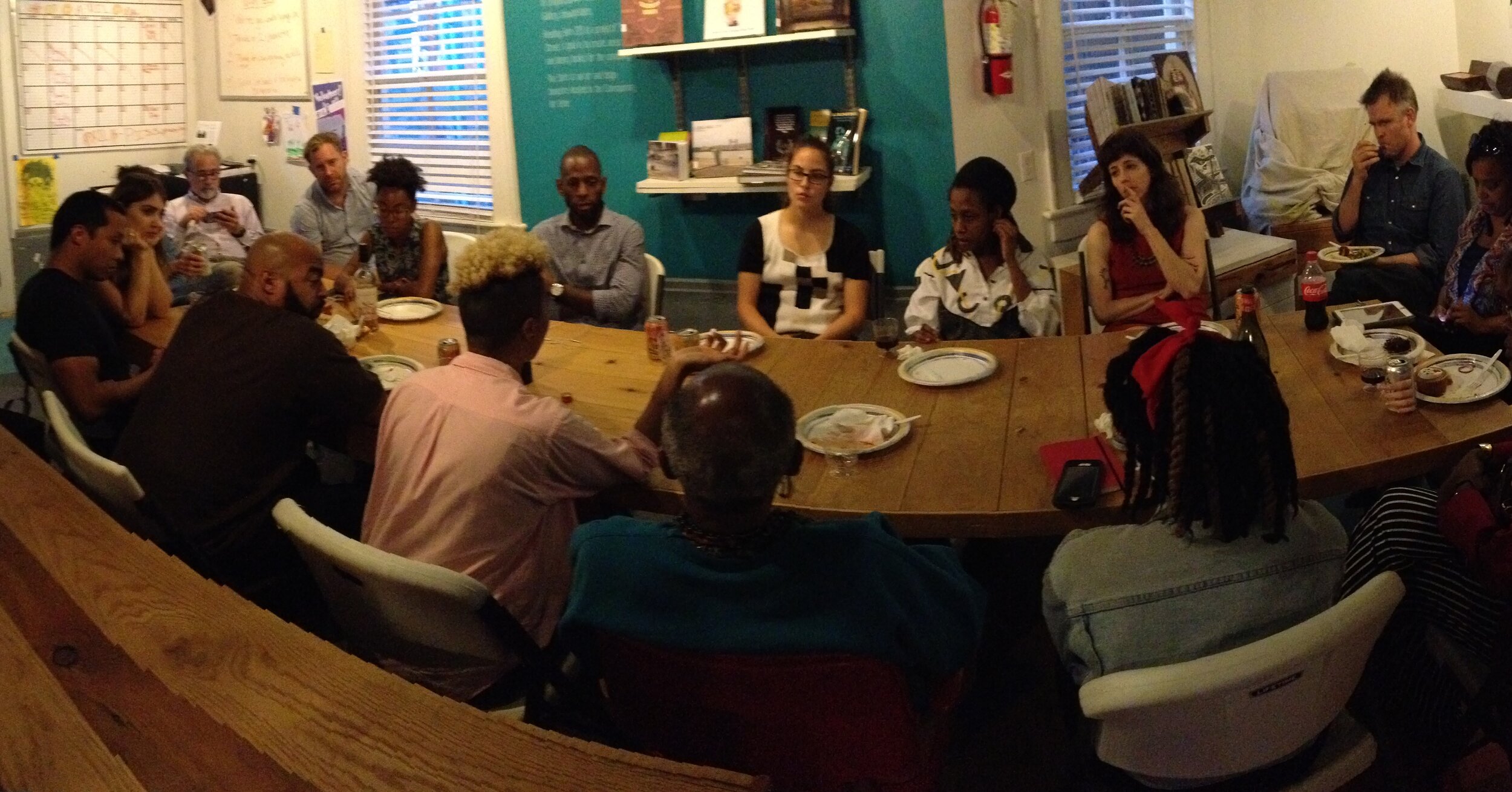
Tasting notes: literary organizing, community space, gallery management, artsy stuffThe Reading Room 220 hosted a library of small press titles and zines, a flat file of local artwork called Signals, adult arts and writing workshops, small gallery shows, and Big Class’s youth programs. The hybrid space created all sorts of special collaborative opportunities. My favorite might be Mardi Gras After the Apocalypse, in which artists of the Antenna Collective and beyond developed work inspired by the stories of students in the Big Class Open Studio Program, each imagining what Mardi Gras would look like after the end of days.
In 2012 I led the team at the arts and literary nonprofit Antenna in converting the downstairs space in our new headquarters into this hybrid home for the literary arts. I conceived of the functionality, coordinated designers and builders, and raised the funds from local donors in collaboration with the Antenna team.
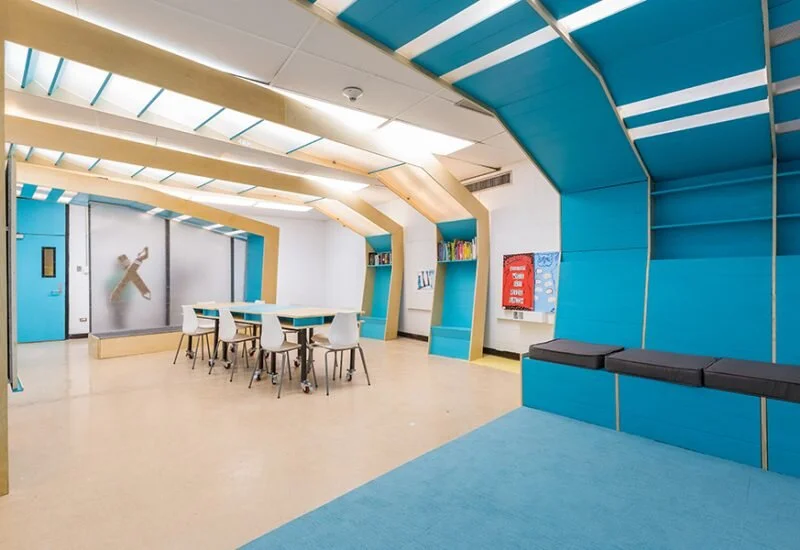
The Big Class Writers’ Room
A space of possibility, inside a school.
Tasting notes: cross-sector collaboration, student voice, workarounds of fluorescent lightsAs the demand for Big Class’s services expanded, Sylvanie Williams College Prep in the Central City Neighborhood welcomed us to have our own classroom in the building to enhance the literary culture throughout the school.
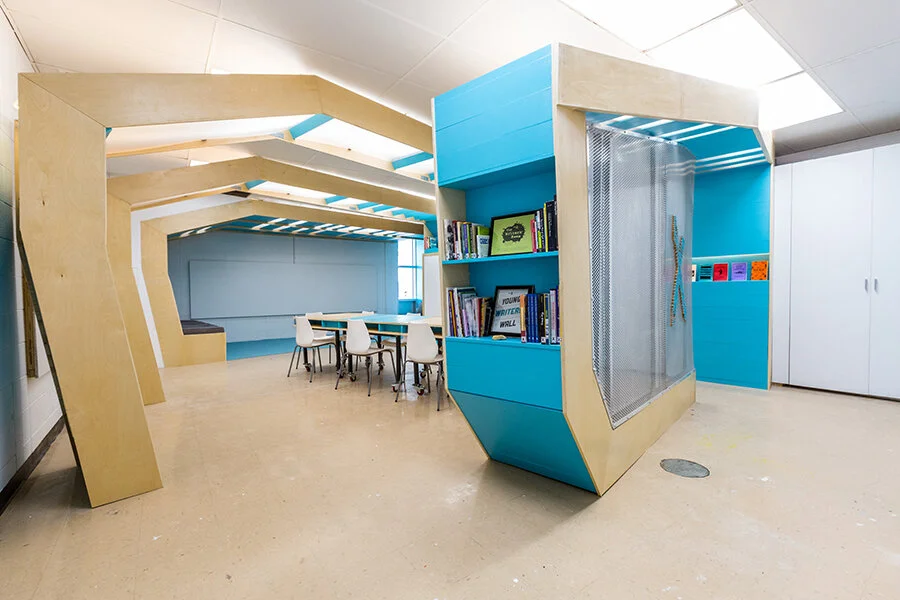
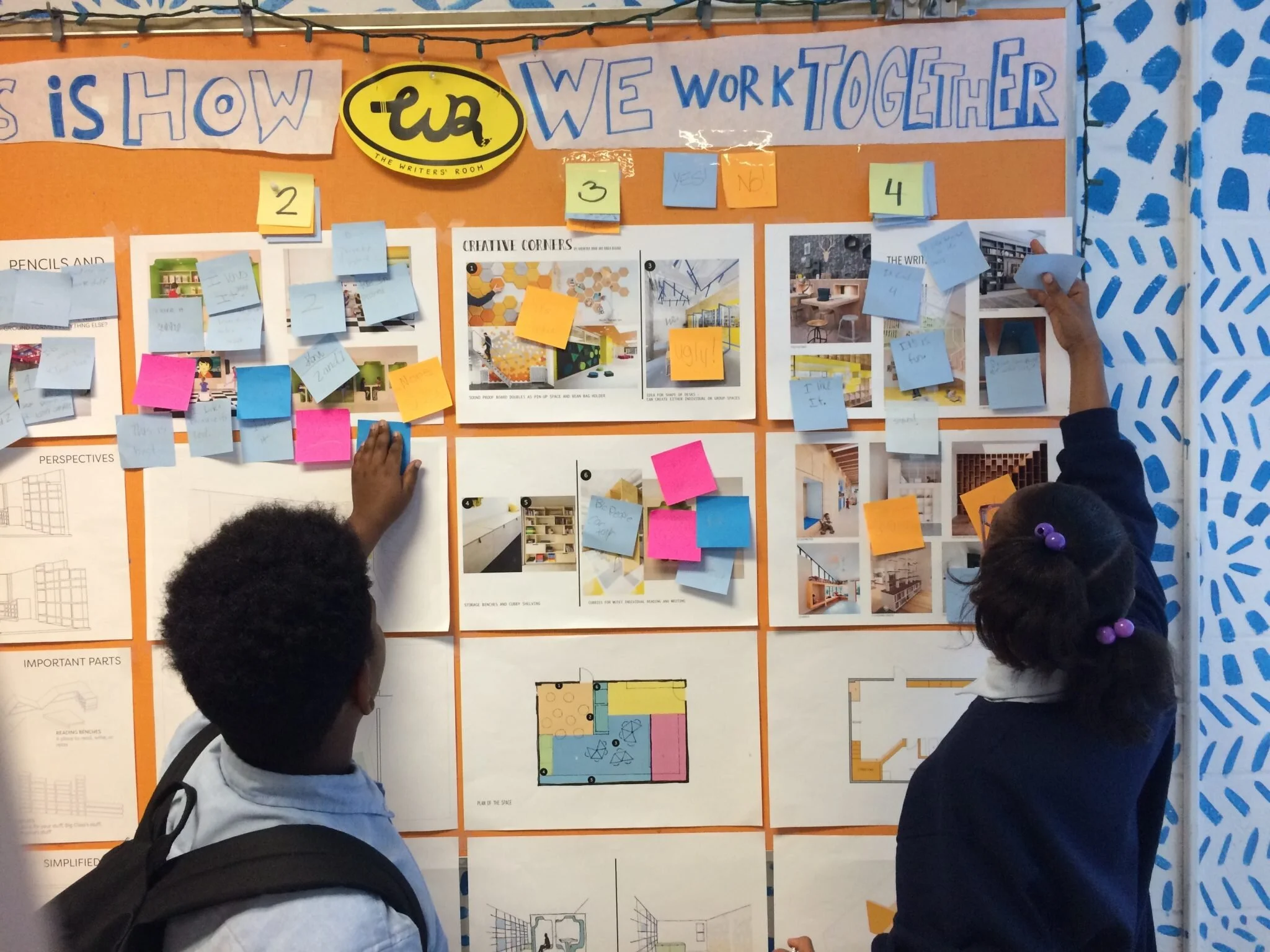
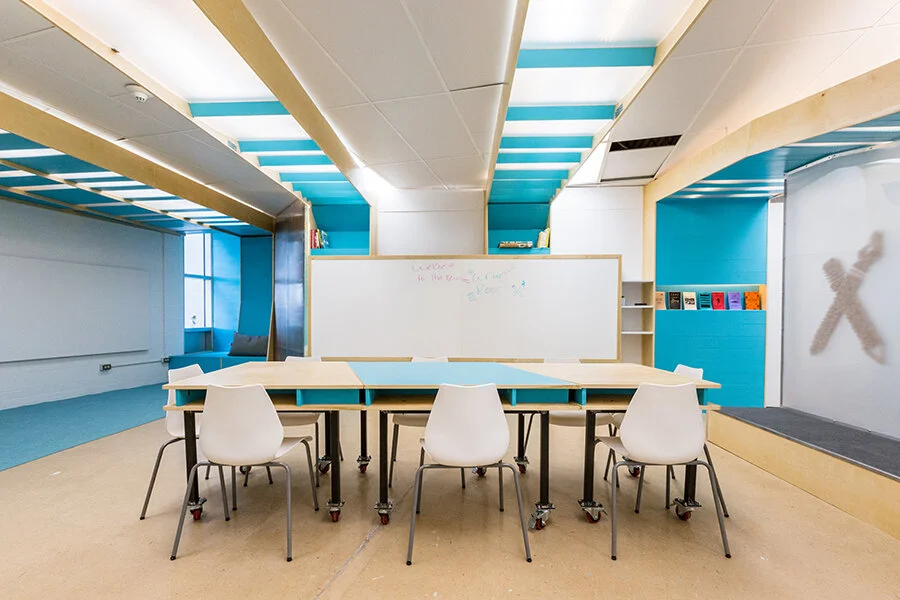
I recruited the Small Center for Collaborative Design at Tulane to renovate a run-down classroom and storage space into a dynamic workshop that accommodates the needs of both the Writers’ Room programming and the school, and inspired young people to tell their stories. I served as the lead liaison between the school, the school district, students, Big Class, and the Small Center, and advised the design process.